


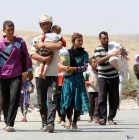
Competing Interests in Shingal: Yazidis Caught Between Millstones
Nearly two years since the north side of Shingal was liberated from the Islamic State, most of the Yazidi population is still displaced.
Nearly two years since the north side of Shingal was liberated from the Islamic State, most of the Yazidi population is still displaced.
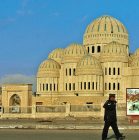
Now that IS’s economic gains are draining due to military setbacks and financial strains, IS-held territories are increasingly struggling through economic hurdles. The challenge ahead is to have concrete economic plans.
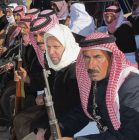
Back in 2014, Iraq’s Prime Minister promised to end the politics of dominance that was largely responsible for the rise of Islamic State (IS). Yet, with the military defeat of IS in Iraq imminent, Sunnis are still being marginalised and until this ends, the foundations of IS will remain within the society.
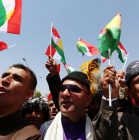
The roadmap to independence starts from home and ends at home. A fragmented and unstable Kurdistan Region is in on one’s benefit. Key priorities are Institutionalisation of national unity and promotion of good governance.
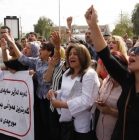
The current policy of reducing salaries, focusing on a single sector of the economy, and putting extra pressure on low and middle income families is an unsuitable response to the on-going financial crisis and will likely dampen and delay economic recovery.
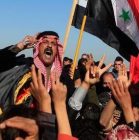
The occupation of Mosul by the Islamic State (IS) has become an issue of global importance. The liberation of the city is seen as a symbol for defeating IS in Iraq and there is international pressure to press ahead and begin the process. Herein lies the problem.
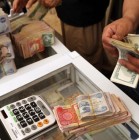
If Iraq is keen to diversify its economy, the Central Bank of Iraq should drop its current pegging (fixed) exchange rate policy and let the market determine the value of the Iraqi Dinar.
Attempting to defeat IS without beginning to address the political and structural failures that have led to these circumstances borders on the ridiculous.