


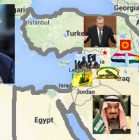
The Future of the Middle East
Policy makers of Iraq and the KRI who wish to pursue paths of their own design, must look carefully at the trends in power dynamics and the policies of the global and regional powers before designing their strategies.
Policy makers of Iraq and the KRI who wish to pursue paths of their own design, must look carefully at the trends in power dynamics and the policies of the global and regional powers before designing their strategies.
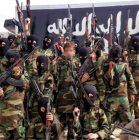
Without sufficient deradicalisation policies, including within the education system, the narrative of the Islamic State will lie dormant or transform, creating the potential for another extremist group to emerge.

Considering the new political realities of the region and the domination of US politics by the Republicans after the recent election, Iran should engage in dialogue with its Kurdish opposition parties.
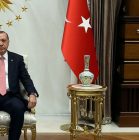
Turkey is experiencing a crisis of orientation in its internal and external affairs as a result of a transition between a dying and an emerging vision.
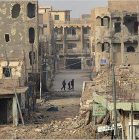
This policy brief analyses the current status of international financial assistance to Iraq and identifies the conditions that can turn the reconstruction process into an opportunity
Once IS is defeated key political and economic issues long neglected in the Kurdish Region of Iraq (KRI) will come to the fore.

Donald Trump, the next President of the United States, will soon be confronted with the difficulty of translating campaign rhetoric regarding his foreign policy in the Middle East
Tal Afar is thus yet another flashpoint of competing interests between Ankara, Erbil, Baghdad, and Tehran and can possibly further destabilise the situation in Nineveh.